
Tuition Fee
EIU Partners:
6,000,000 VND
Non-EIU Partners:
8,000,000 VND
Registration Deadline:
22 March 2026
Programme Duration:
6 April – 17 April 2026
Programme Overview
The Vietnamese Sustainability Leaders Programme (VSLP) is a professional development initiative designed by EIU to build the sustainability knowledge, leadership capacity, and strategic thinking of both junior and senior managers. This programme equips participants with the essential tools to lead ethical and sustainable transformation within their organisations and across Vietnam’s growing economy.
Addressing urgent global challenges- climate change, modern slavery, corporate corruption, and the pursuit of net-zero emissions – the programme integrates international frameworks such as the UN Sustainable Development Goals (SDGs) and emerging standards in sustainability reporting and ESG performance. Participants will be empowered to become sustainability champions – leaders who understand not only the risks and responsibilities but also the opportunities sustainability presents for long-term value creation and social impact
Course Convenor

Dr Akrum Helfaya
Associate Professor in Accounting for Sustainability
Keele Business School, Keele University
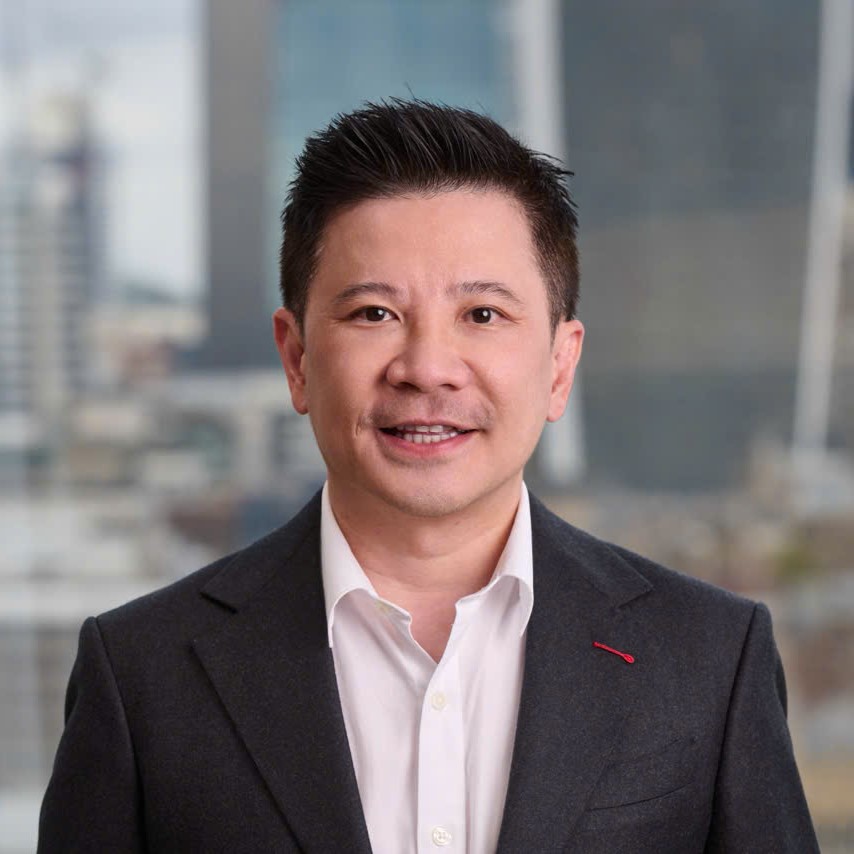
Mr. Loi Nguyen
EIU Chairman
DBA Candidate
Programme Structure
Orientation
Welcome to the Vietnamese Sustainability Leaders Programme (VSLP) – a transformative learning experience designed to inspire, challenge, and empower Vietnam’s current and future leaders. In an era where climate change, social responsibility, human well-being, labour welfare, and ethical governance are at the forefront of business priorities, this programme equips you with the tools to lead with purpose and impact. Throughout our journey together, we will explore global sustainability frameworks, address pressing national challenges, and uncover opportunities for innovation and long-term value creation. You will engage with real-world case studies, practical tools, and interactive discussions to ensure your learning is both relevant and immediately applicable. The VSLP is not just about gaining knowledge – it’s about building the confidence and capability to drive meaningful change within your organisation and beyond. Together, we will work towards embedding sustainability into strategy, operations, and corporate culture. By the end of the programme, you will be equipped to act as a “sustainability champion” – leading initiatives that create measurable social, environmental, and economic impact for Vietnam’s future. We are delighted to have you on board and look forward to embarking on this exciting journey with you.

Module 1: Foundations of Sustainability and Sustainable Development
Learning Objectives
By the end of this module, participants will be able to:
- Explain the triple bottom line framework (People, Planet, Profit) and its relevance to modern business.
- Describe the UN Sustainable Development Goals (SDGs) and their implications for Vietnam’s economic and social agenda.
- Analyse how sustainability is contextualised within both Vietnamese and global business environments.
Content
- Introduction to sustainability: definitions, principles, and historical evolution.
- Triple Bottom Line model and its strategic applications.
- UN Sustainable Development Goals – focus on relevance to emerging economies.
- Vietnamese policy frameworks for sustainable development and ESG adoption.
- Comparative overview: global sustainability benchmarks and Vietnam’s current position.
Module 2: Sustainability and Long-Term Value Creation
Learning Objectives
By the end of this module, participants will be able to:
- Link ESG performance to financial outcomes and long-term corporate value.
- Apply stakeholder capitalism principles to strategy and decision-making.
- Integrate sustainability into corporate vision and operational frameworks.
Content
- ESG as a driver of profitability, risk management, and investor confidence.
- Stakeholder capitalism vs. shareholder primacy.
- Embedding sustainability into corporate strategy.
- Case studies from global leaders and Vietnamese corporates.
Module 3: Climate Change and Net Zero Transition
Learning Objectives
By the end of this module, participants will be able to:
- Interpret climate science and its implications for business.
- Analyse Vietnam’s commitments under the Paris Agreement.
- Design emission reduction pathways aligned with net-zero goals.
Content
- Climate risks and business resilience.
- Vietnam’s net zero by 2050 roadmap.
- Carbon accounting tools and standards.
- Sector-specific decarbonisation strategies.
Module 4: Fighting Modern Slavery and Corporate Corruption
Learning Objectives
By the end of this module, participants will be able to:
- Identify indicators of modern slavery in supply chains.
- Implement anti-corruption and compliance frameworks.
- Foster corporate transparency and ethical culture.
Content
- Global and local laws on modern slavery and anti-corruption.
- Supply chain audits and ethical sourcing.
- Whistleblower protection and internal governance.

Module 5: Sustainability Reporting and Assurance
Learning Objectives
- Apply GRI, ISSB (IFRS S1/S2), and EU CSRD frameworks.
- Identify and mitigate greenwashing risks.
- Plan for external assurance of sustainability data.
Content
- Overview of global reporting standards.
- Materiality assessment and stakeholder engagement.
- ESG metrics and audit readiness
Module 6: Sustainable Leadership and Organisational Change
Learning Objectives
By the end of this module, participants will be able to:
- Lead purpose-driven change initiatives.
- Align organisational culture with sustainability goals.
- Manage resistance to change effectively.
Content
- Leadership styles for sustainability.
- Building high-trust, values-driven cultures.
- Change management models (Kotter, ADKAR)

Module 7: Circular Economy and Sustainable Innovation
Learning Objectives
- Apply circular economy principles to product and process design.
- Develop zero-waste strategies.
- Foster innovation that supports sustainability goals.
Content
- Circular economy business models.
- Product lifecycle thinking.
- Examples from manufacturing, agriculture, and retail
Module 8: Digitalisation, ESG Tech & Green Innovation
Learning Objectives
By the end of this module, participants will be able to:
- Leverage digital tools for ESG data and reporting.
- Apply emerging technologies to enhance sustainability performance.
- Evaluate the risks and opportunities of green tech adoption.
Content
- ESG data management platforms.
- Blockchain for supply chain transparency.
- AI and IoT applications in energy efficiency.

Contact
engagement@uat-web4.eiu.edu.vn
0909 107 621
(Mr Phu)
Eastern International University
81 Nam Ky Khoi Nghia Street, Hoa Phu Ward, Thu Dau Mot City, Binh Duong Province